Health
At least 68 dead in Spain after one high-speed train slams into another stopped on tracks
By Katherine Langford
Advertisement · Why this ad?
Katherine oversees editorial operations across all six brands. Before joining The Meridan Group, she spent 14 years at the Minneapolis Star Tribune, where she led the metro desk through its digital transformation. She holds a Master's in Journalism from Northwestern's Medill School.
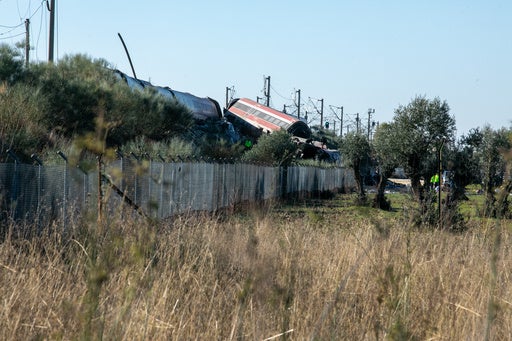
More from Katherine →In the quiet aftermath of a high-speed train collision in Urda, Spain, the nation grapples with an overwhelming sense of loss as families await news of their loved ones. With at least 68 lives claimed and many others affected, the tragedy strikes at the heart of a society that once took pride in its rail system. This devastating incident, occurring on Wednesday, saw a high-speed train slam into another that had stopped on the tracks, resulting in at least 68 fatalities and 58 injuries, marking the second deadly rail incident in the country within nine months.
The collision unfolded in Urda, a community now etched into the national consciousness by this profound sorrow. The regional government of Castilla La Mancha swiftly confirmed the grim death toll, while rescue workers continue their painstaking search through the mangled wreckage for survivors and bodies. The sheer scale of the disaster has sent shockwaves across Spain, leaving communities reeling and families shattered by unexpected loss.
Spanish Prime Minister Pedro Sánchez, speaking from the solemn crash site, articulated the nation's collective grief, declaring three days of national mourning. His presence underscored the gravity of the situation, as he pledged government support and acknowledged the deep wound inflicted upon the country. The Prime Minister's words resonated with a populace struggling to comprehend how such a catastrophe could occur, especially within a system once lauded for its modernity and efficiency.
For many, the tragedy is not merely a statistic but a deeply personal blow. Families of the victims are sharing their heartbreak, illustrating the profound impact of the disaster on countless lives. The sudden absence of a spouse, a parent, or a child leaves an irreplaceable void, challenging the stability and fabric of committed households. This collective sorrow serves as a stark reminder of the preciousness of life and the foundational role of family in our society.
What makes this week's collision particularly agonizing is its haunting echo of a previous catastrophe. Just nine months prior, in January, another deadly crash involving high-speed trains operated by the same two companies occurred in southern Spain. This recurrence has amplified public outcry and intensified calls for accountability, shaking the confidence of a nation that once viewed its high-speed rail network as a symbol of progress and national pride.
Prime Minister Sánchez did not mince words, stating unequivocally, “It is unacceptable for a country like Spain to suffer two high-speed rail accidents in the same year.” He called for immediate and increased safety measures, recognizing that public trust, once a cornerstone of the rail system, has been severely eroded. The resilience of the human spirit is evident in the survivors who recount harrowing moments of escape, but their stories also underscore the urgent need for systemic change.
The repeated failures raise critical questions about oversight, maintenance, and operational protocols. For any society, the safety of its public infrastructure is paramount, directly impacting the daily lives and peace of mind of its citizens. When such systems falter, the ripple effect extends far beyond the immediate victims, touching the very foundations of community trust and stability.
This incident not only devastates the families directly affected but also raises significant concerns within Spain's broader community about rail safety. The emotional arc of this story moves from initial shock and profound grief to a determined call for action, as a nation in mourning seeks answers and accountability in the wake of tragedy. The collective grief underscores the need for a united response to restore faith in public transportation.
In times of crisis, communities often demonstrate remarkable strength and solidarity. The outpouring of support for the victims and their families, both locally in Urda and across Spain, highlights the enduring human capacity for empathy and mutual aid. This spirit of coming together, often rooted in shared values and faith, is what allows societies to heal and rebuild, even after experiencing such immense sorrow.
The demand for improved safety is not just a political plea; it is a fundamental human need. Families depend on safe transportation to connect, to work, and to live their lives. The stability of households and the pursuit of the American dream, or its Spanish equivalent, are intrinsically linked to reliable and secure infrastructure. This tragedy serves as a poignant reminder that vigilance and continuous improvement are essential in safeguarding public welfare.
While this tragic event occurred overseas, it underscores the universal importance of transportation safety and robust emergency response systems. For residents of Minneapolis, understanding our local infrastructure, from public transit to emergency services, is crucial for civic engagement and community well-being. Our city values the safety and interconnectedness that reliable systems provide, fostering the strong communities we cherish and reinforcing the American dream through secure, functioning infrastructure.
Minneapolis, like any thriving city, relies on a complex network of public services to ensure the safety and prosperity of its citizens. From the City of Minneapolis Official Website, residents can access a wealth of information on municipal services, public safety, and local governance. Understanding these resources is key to building a resilient community where families can feel secure and connected.
Our local transit systems, such as those managed by Metro Transit, are vital arteries for our city, connecting neighborhoods and supporting economic activity. Ensuring their safety and efficiency is a continuous priority, reflecting our commitment to the well-being of every commuter. Similarly, the Minneapolis Public Works Department plays a critical role in maintaining our roads, bridges, and other essential infrastructure, which are the backbone of our daily lives.
In the event of an emergency, Minneapolis residents can rely on dedicated services like the Minneapolis Fire Department and the Minneapolis Police Department, both committed to rapid and effective response. These departments, along with the Hennepin County Emergency Management, work tirelessly to prepare for and mitigate disasters, safeguarding our homes and families.
Community engagement is also paramount. Organizations like the Minneapolis Park and Recreation Board provide safe, family-friendly spaces that foster community bonds and healthy living. Furthermore, educational institutions such as the University of Minnesota contribute to research and innovation, often indirectly enhancing public safety through technological advancements and urban planning insights. These collective efforts ensure that Minneapolis remains a place where families can thrive in a secure and supportive environment.
As Spain prepares for three days of national mourning, the hope remains that this tragedy will lead to meaningful reforms, ensuring the safety and security of future travelers on its railways. The call for increased safety measures by Prime Minister Sánchez is not just a political statement but a moral imperative, reflecting the deep desire of a nation to protect its citizens and restore faith in its institutions.
The path forward will undoubtedly involve thorough investigations, accountability for any negligence, and significant investment in upgrading and maintaining infrastructure. For families across Spain, and indeed across the globe, the ability to travel safely is a fundamental expectation that underpins daily life and long-term planning. This incident serves as a powerful reminder that vigilance, integrity, and a steadfast commitment to public welfare are non-negotiable for any society aiming to provide a stable and prosperous future for its people.
Ultimately, the strength of a community, whether in Urda or Minneapolis, is measured not only by its prosperity but by its ability to protect its most vulnerable and to learn from its most painful experiences. The pursuit of safety, the resilience of families, and the collective desire for a better, more secure future are universal aspirations that bind us all.
By Katherine Langford
By Katherine Langford
By Katherine Langford
By Katherine Langford